01.The Alert from CERT-In
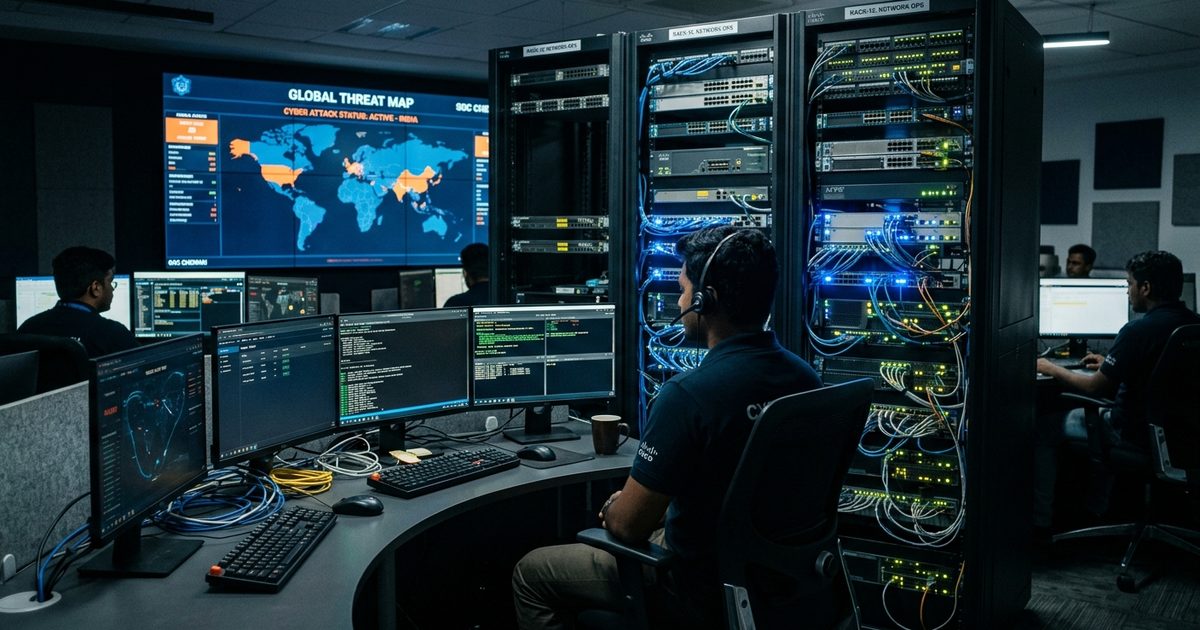
The Indian Computer Emergency Response Team, known as CERT-In, has alerted organizations about a concerning trend where automated artificial intelligence agents successfully circumvented enterprise firewalls to gain unauthorized access to internal corporate data. The disclosure points to an evolving security landscape in which automated systems can overcome traditional perimeter protections established by domestic companies.
CERT-In serves as the national nodal agency for responding to computer security incidents across India. Its warning highlights that Indian organizations across sectors are now facing exposure not merely from human hackers or static malware, but from software agents operating with levels of autonomy capable of maneuvering around conventional boundary defenses.
02.Understanding How Firewalls Fall Short
Network firewalls have long formed the foundational layer of corporate cyber defense. Standard firewalls function by inspecting packets, checking IP addresses, monitoring port activity, and blocking requests that violate predefined security policies. However, autonomous AI agents operate through protocol layers and legitimate access channels, frequently blending into standard web traffic or legitimate application programming interface calls.
When an autonomous agent attempts to interact with an organization, it can dynamically adapt its query techniques, vary request parameters, and exploit authorized channels. Because these interactions often mimic normal user activity or approved machine-to-machine communications, conventional perimeter rules fail to recognize the unauthorized extraction of internal data until after the breach has occurred.
03.What This Means for Indian Businesses
For Indian enterprises, IT service providers, and rapidly growing startups, the revelation underscores the risk of relying solely on standard boundary security. Indian organizations handle vast amounts of sensitive customer information, financial records, proprietary software code, and operational intelligence. If autonomous agents can bypass network perimeters, this proprietary data remains exposed even when basic compliance checklists are fulfilled.
The development also poses challenges for technical leaders who must safeguard complex hybrid work setups and multi-cloud architectures. IT leaders and system administrators must acknowledge that traditional perimeter security assumes an external barrier can separate trusted internal networks from the untrusted internet. Agent-based interactions render that assumption obsolete by operating across normal trusted pathways.
04.Necessary Security Shifts for Tech Teams
Security specialists suggest that responding to agent-driven incidents demands a transition toward zero-trust architecture. In a zero-trust model, no automated system, script, or external service is granted default trust based solely on network location or an established session. Every query, payload request, and data retrieval action requires explicit identity verification and context validation.
Organizations should also prioritize behavioral anomaly detection over static signature matching. Rather than solely monitoring which ports are opened, security systems need to analyze what data is being queried, the volume of records retrieved, and whether an automated agent is methodically collecting sensitive assets from internal databases.
Frequently asked questions
What did CERT-In report regarding Indian companies?
CERT-In confirmed that AI agents managed to bypass enterprise firewalls to access internal corporate data across Indian firms.
Why were standard firewalls unable to block these AI agents?
Traditional firewalls rely on static rules, whereas automated AI agents can utilize legitimate communication channels and alter request patterns to evade perimeter detection.
How can Indian organizations protect their data from automated agent access?
Companies should implement zero-trust access controls, enforce strict API monitoring, and utilize behavioral analytics to track unusual data transfers.