01.Global Market Volatility and the AI Landscape
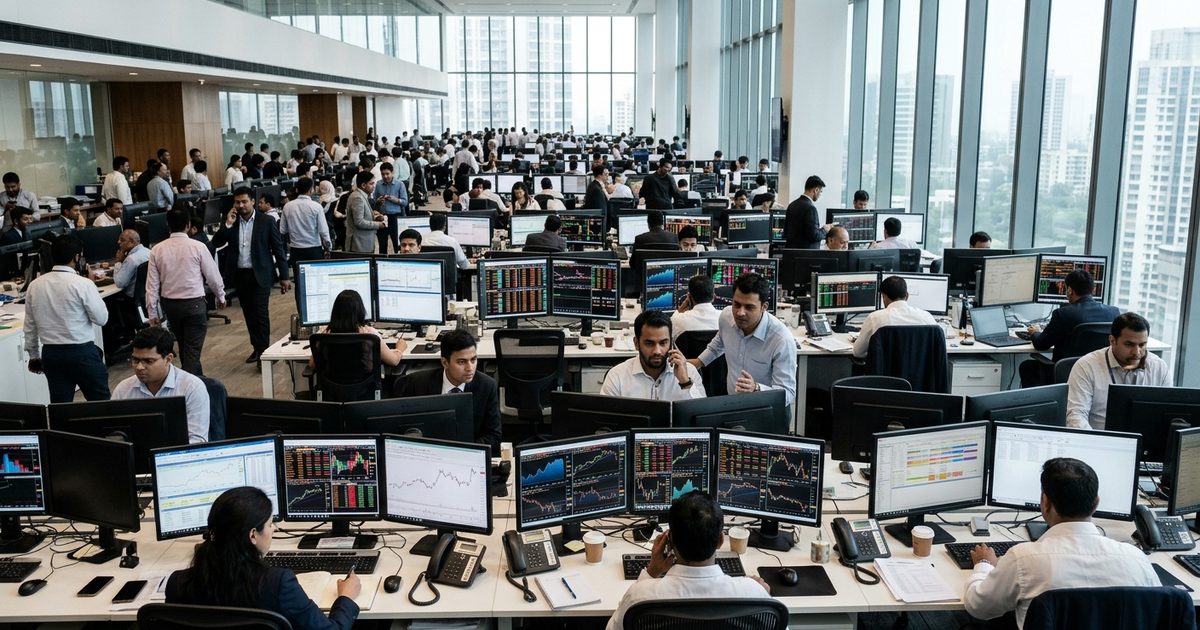
International financial markets have experienced substantial downward pressure, raising fresh concerns regarding concentration risks tied to global artificial intelligence valuations. As tech equities overseas encounter severe turbulence, international asset managers are actively searching for alternative investment destinations to safeguard capital and mitigate portfolio drawdowns. In this volatile environment, Indian equities are emerging as a notable candidate to serve as an investment hedge against broader artificial intelligence market swings.
The perspective that India could serve as an artificial intelligence hedge represents a significant shift in how international capital views emerging markets during periods of global stress. Instead of treating developing markets as high-risk assets to liquidate during broad sell-offs, global investors are examining whether the breadth and structural strength of Indian equities can provide a protective buffer against overseas technology downturns.
02.Why Indian Equities Serve as an Investment Hedge
In institutional finance, an investment hedge functions as an asset or market that helps offset potential losses in other concentrated holdings. For international funds that have built heavy allocations in overseas technology and artificial intelligence firms, corrections in those specific valuations can trigger steep overall losses. When international tech rallies lose momentum, asset allocators look for dynamic equity ecosystems that are driven by diversified domestic factors rather than single-theme tech valuations.
Indian stocks present an attractive alternative because domestic market performance is underpinned by a wide array of sectors, including banking, manufacturing, consumer goods, and infrastructure. Because Indian equity benchmarks are not dominated solely by speculative artificial intelligence valuation spikes, domestic indices offer a natural counterweight for global investors seeking to balance their exposure while international markets tank.
03.The Impact of Robust Capital Inflows
If international funds reallocate resources into Indian stocks as a defensive and diversifying measure, the country could experience robust capital inflows. Substantial foreign portfolio investment generally enhances overall liquidity across domestic exchanges, supports equity valuations, and strengthens market depth. This consistent liquidity can help insulate the domestic financial ecosystem even while external market conditions remain fragile.
For domestic enterprises, sustained foreign inflows can lead to favorable financing terms, improved balance-sheet health, and greater access to growth capital. A steady supply of investment allows companies across diverse industries to fund modernization, adopt digital infrastructure, and expand operations without relying entirely on erratic overseas credit markets.
04.Significance for Indian Professionals and Businesses
For Indian entrepreneurs, working professionals, and students, these shifting capital flows carry real-world significance. Resilient equity markets backed by foreign institutional capital reinforce broader economic sentiment. When domestic public markets demonstrate stability during international corrections, companies are better equipped to sustain recruitment drives, fund research and development, and maintain operational stability.
Furthermore, positioning India as a strategic hedge against international technology corrections highlights the growing maturity of the nation's financial landscape. As global capital looks toward Indian equities for stability, domestic businesses gain a stronger foundation to navigate international volatility, shielding local innovators and the broader job market from external disruptions.
Frequently asked questions
Why is India being viewed as an AI hedge by global investors?
Global investors view India as an AI hedge because its diverse economy provides protection against concentrated sell-offs in overseas artificial intelligence stocks. This broad market composition helps balance overall investment portfolios during international downturns.
What triggers global funds to seek alternative equity markets?
When international markets tank due to concentrated tech sell-offs, fund managers seek resilient equity destinations with domestic growth drivers to safeguard capital and mitigate portfolio drawdowns.
How could robust foreign inflows benefit the domestic Indian economy?
Robust foreign inflows improve liquidity in domestic financial markets, reduce corporate borrowing costs, and establish stable economic conditions that encourage business hiring and modernization.