01.Artificial Intelligence Arrives on Everyday Devices
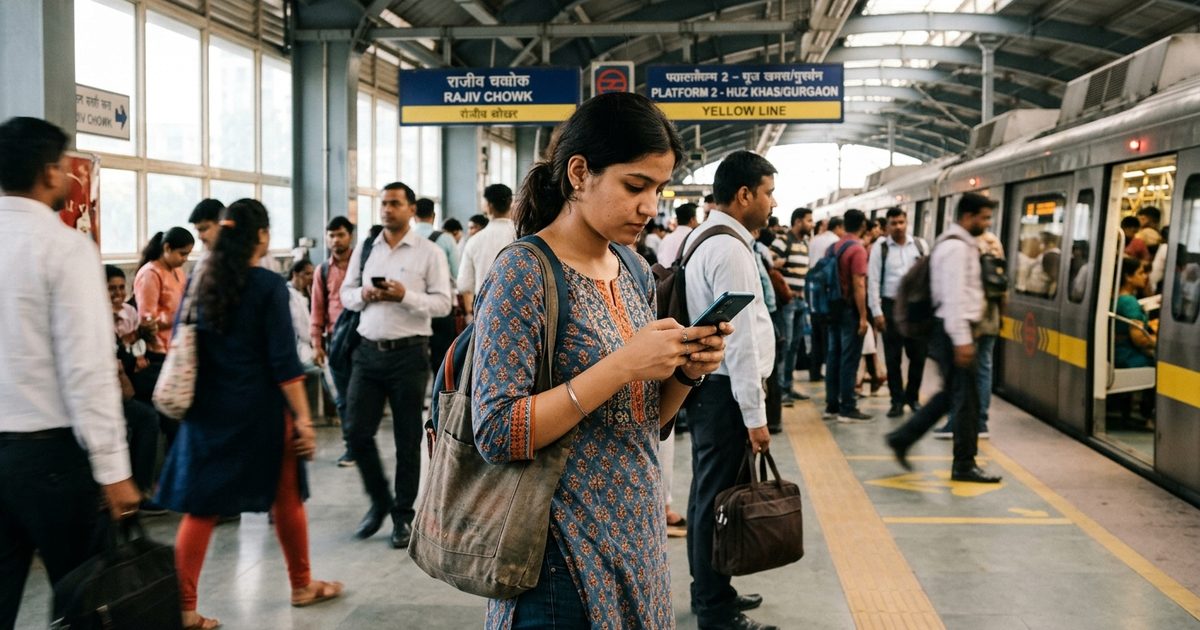
Artificial intelligence is no longer restricted to specialized corporate servers or academic research labs. Across India, intelligent algorithms have quietly established a permanent presence on handheld devices, changing the way people manage routine responsibilities from morning to evening.
National broadcasters such as DD India have drawn public attention to this transition, exploring how artificial intelligence is becoming an integral part of the daily life of citizens. As mobile devices grow more capable, intelligent software runs seamlessly in the background, assisting users with daily tasks without requiring complex technical skills.
02.Overcoming Language and Communication Barriers
One of the most consequential ways mobile artificial intelligence touches Indian lives is through language processing and voice interaction. In a country characterized by linguistic diversity, smart software allows people to interact with their devices through speech, translation, and localized text interfaces.
For students, traders, and small business owners, voice-enabled intelligence reduces the traditional barrier of English literacy. Whether it is translating a message from a vendor or issuing commands in a regional language, pocket artificial intelligence provides a direct bridge to online information and digital public infrastructure.
03.Enhancing Productivity for Students and Professionals
Mobile artificial intelligence has fundamentally altered how Indian learners and working professionals handle day-to-day work. Modern smartphones now incorporate assistants that summarize notes, organize schedules, draft quick messages, and assist in basic problem solving.
For college students preparing for competitive examinations or young professionals managing multiple work deadlines, these pocket utilities serve as continuous digital support systems. By automating tedious administrative routines, intelligent mobile tools allow individuals to direct more focus toward critical thinking, skill acquisition, and creative execution.
04.Simplifying Daily Utilities and Transactions
Everyday tasks such as navigating urban traffic, monitoring personal spending, and identifying products online are increasingly powered by intelligent software. Onboard camera tools can recognize objects, extract text from receipts, and verify identity information within seconds.
These conveniences combine with India's extensive digital payments and service networks to make everyday transactions faster and more intuitive. The presence of artificial intelligence in ordinary smartphones ensures that basic utilities operate with greater responsiveness, reducing friction for citizens conducting everyday errands.
05.The Road Ahead for Consumer AI in India
As artificial intelligence integrates deeper into consumer hardware, the nature of personal technology will continue to evolve. Devices are increasingly designed to predict user needs, offering timely recommendations and optimizing battery, connectivity, and privacy protections automatically.
For Indian users, the key focus remains practical utility. As access to mobile intelligent systems expands across demographic and geographic boundaries, everyday artificial intelligence will play an essential role in driving broad digital participation, economic empowerment, and accessible public connectivity.
Frequently asked questions
How is artificial intelligence affecting everyday citizens in India?
It assists with real-time language translation, voice interaction, routine workplace productivity, and camera-based utility tasks directly on smartphones.
Why is mobile AI particularly important for Indian languages?
Mobile artificial intelligence enables multilingual translation and speech recognition, helping users interact with online services in their preferred native languages.
Do users need technical expertise to use pocket AI tools?
No, consumer artificial intelligence is built directly into standard mobile applications and operating systems, requiring only natural voice or text inputs.