01.Setting the Stage for Widespread Access
The forthcoming India AI Impact Summit 2026 will place the democratisation of artificial intelligence at the centre of its agenda, according to reporting by DD News. As artificial intelligence advances rapidly on the global stage, questions around who gets to build, deploy, and benefit from these technologies have become paramount. By orienting the summit around democratisation, the platform highlights the necessity of making powerful computational resources, datasets, and frameworks accessible across all tiers of society rather than confining them to a handful of well-capitalised corporations.
For a country with a vast population and diverse socio-economic landscape, democratisation is not merely a philosophical goal but a practical requirement. When advanced software and algorithmic capabilities are concentrated in limited hands, the solutions produced often address the needs of a narrow audience. Framing the 2026 summit around broad access indicates a deliberate effort to ensure that technological advancements reach public institutions, independent creators, and educational establishments throughout the country.
02.Empowering Students and Independent Developers
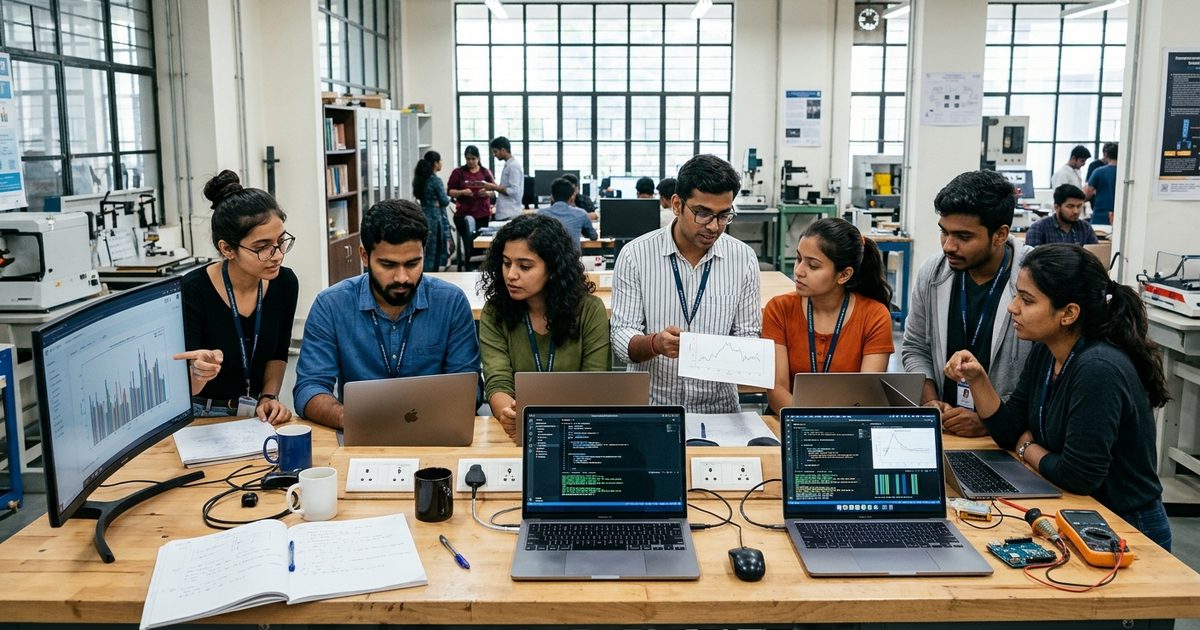
For students and technical professionals across India, the democratisation of AI represents an essential shift in professional opportunity. In traditional technology cycles, access to elite infrastructure and proprietary models often created a steep entry barrier for newcomers from non-metropolitan engineering colleges and independent development circles. A systemic push towards open, accessible, and democratised technology bridges this divide by lowering the cost and complexity of experimenting with machine learning systems.
As tools become easier to run, integrate, and adapt, young engineers can shift their attention from basic resource constraints to high-impact problem solving. Whether developing tools for environmental monitoring, public transport optimisation, or educational tutoring, democratised access allows developers to build tailored solutions that directly reflect their local realities. This decentralised approach to innovation is critical for building a sustainable domestic talent pool capable of competing internationally.
03.Catalysing Opportunities for MSMEs and Startups
Micro, small, and medium enterprises form the operational foundation of the Indian economy, yet they frequently face high hurdles when adopting frontier technologies. The focus of the AI Impact Summit 2026 on widespread access directly addresses this imbalance. When intelligent workflows, automated analytics, and predictive systems become affordable and straightforward to integrate, smaller businesses can modernise their operations without undertaking prohibitive capital investments.
Entrepreneurs looking to launch new ventures also stand to benefit when the barrier to artificial intelligence drops. Democratised tools allow early-stage startups to iterate quickly, test prototypes, and deliver sophisticated services with lean engineering teams. Rather than spending significant resources reinventing foundational components, businesses can concentrate on domain-specific applications that solve tangible problems across retail, logistics, manufacturing, and artisanal sectors.
04.Linguistic Inclusion and Public Service Delivery
A critical dimension of true technological democratisation in India is language and accessibility. The benefits of modern computational models can only be realised universally if they speak the languages of everyday citizens. When technological deployment is inclusive, it enables voice interfaces, conversational agents, and informational services that function seamlessly in regional languages, ensuring that non-English speakers are not excluded from modern digital governance.
Public service delivery in healthcare, agricultural guidance, and basic administration can be significantly enhanced through democratised artificial intelligence. Ensuring that such systems are designed for open public utility rather than private gatekeeping helps regional administrations deploy responsive tools that assist frontline workers, farmers, and community health organisers in real time.
05.The Strategic Road Toward 2026
The announcement of the India AI Impact Summit 2026 signals a continuing evolution in how national platforms approach frontier computing. By identifying democratisation as the core theme, the event sets a benchmark for future policy discussions, public-private partnerships, and community-led initiatives across the technological ecosystem.
As preparations for the summit proceed, the dialogue surrounding it will likely encourage institutions to evaluate their own roles in democratising tools, compute, and foundational knowledge. The long-term impact will be measured by how effectively these collaborative efforts translate into everyday tools that empower users across every state, academic campus, and commercial sector.
Frequently asked questions
What is the core focus of the India AI Impact Summit 2026?
The summit is focused primarily on the democratisation of artificial intelligence to ensure technological access across society.
Why is the democratisation of AI crucial for India?
It ensures that modern computing tools and models are available to grassroots developers, startups, and diverse communities rather than being limited to a few entities.
Which organisation reported the theme of the summit?
The focus on democratising artificial intelligence at the summit was reported by DD News.