01.A Decentralised Vision for Indian AI
India's journey into artificial intelligence is breaking away from traditional, centralised technology models. According to remarks from Hans Dekker, the Asia-Pacific head at IBM reported by Moneycontrol, artificial intelligence innovation across India is inherently decentralised. Rather than being concentrated exclusively within one corporate campus or a solitary geographic corridor, the momentum behind advanced computation and automated systems is spreading across a wider network of contributors, sectors, and regions.
This perspective underlines a fundamental shift in how transformative technologies take root in the country. Traditionally, the software and IT services boom coalesced around a select group of metropolitan hubs. However, the current wave of artificial intelligence development draws inputs from a wider collective of independent developers, specialized institutions, regional business houses, and cross-disciplinary teams spread throughout the subcontinent.
02.The Meaning of Decentralised Innovation
In practical terms, decentralised innovation means problem solving happens closest to where the challenges actually exist. In an economy as vast and diverse as India, localized problem spaces require distinct datasets, unique linguistic models, and tailored system architectures. When technological research and development are distributed, organizations can address specific industrial and social needs without having to conform to a single centralized standard.
Decentralisation also changes how enterprise modernization unfolds. Large global technology firms operating in the Asia-Pacific region, including IBM, observe that Indian businesses are not simply adopting pre-packaged software stacks from overseas. Instead, enterprises are combining open frameworks, domestic digital public infrastructure, and internal research teams to design bespoke intelligent workflows across manufacturing, retail, logistics, and financial services.
03.Empowering Emerging Hubs and Grassroots Talent
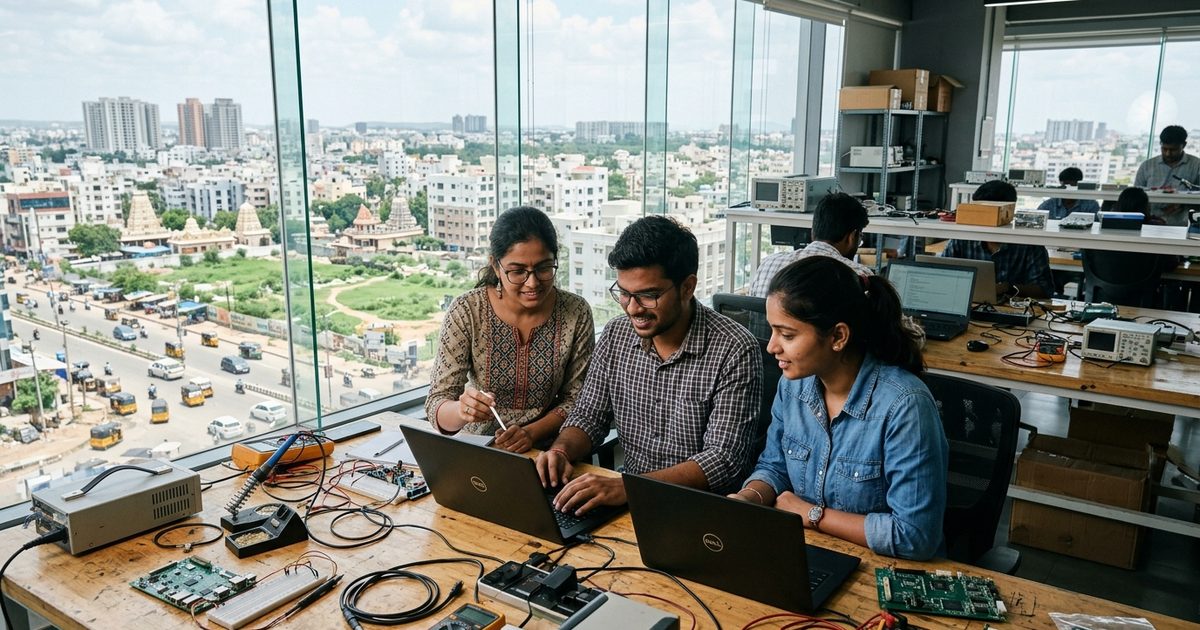
One of the clearest advantages of a decentralised artificial intelligence ecosystem is the democratization of opportunity for students, developers, and founders. As access to cloud compute, open-source models, and developer tooling becomes standard, technical talent is no longer compelled to migrate to tier-one metropolitan areas to build cutting-edge systems. Meaningful research and product development can now emerge from tier-two and tier-three cities.
This regional distribution also provides fertile ground for startups targeting hyper-local enterprise workflows. By focusing on sector-specific problems, such as regional supply chain logistics or vernacular interface design, smaller engineering teams can create highly valuable implementations that compete effectively against standard, one-size-fits-all platforms developed in traditional technology capitals.
04.Strategic Implications for Indian Enterprises
For business leaders and technology executives across India, a decentralised AI landscape demands a flexible technological strategy. Organizations that rely exclusively on rigid, monolithic software architectures risk falling behind faster-moving competitors who leverage distributed talent pools and specialized partner networks. Fostering external collaborations, tapping into regional technology incubators, and investing in continuous employee skilling become critical operational imperatives.
Enterprise modernization in this environment requires an architecture that can integrate multiple specialized models rather than betting on an individual vendor. Companies that build open, interoperable digital frameworks are better positioned to adopt the best innovations emerging from India's diverse developer communities, ensuring resilient long-term competitiveness.
05.The Future of India's Distributed AI Model
As global technology leaders evaluate their regional strategies across the Asia-Pacific corridor, India stands out as a dynamic testbed for distributed problem solving. Hans Dekker's observation reinforces that the country's technological strength lies in its scale, diversity, and varied engineering base. Rather than creating a single bottleneck of authority, the decentralised model empowers thousands of independent teams to build in parallel.
Moving forward, sustained investment in technical education, telecommunications infrastructure, and computational accessibility will be essential to sustain this momentum. When innovation is dispersed broadly, the entire economic landscape benefits, turning localized insights into scalable solutions that serve both domestic needs and international enterprise demands.
Frequently asked questions
Who is Hans Dekker?
Hans Dekker is the Asia-Pacific head at IBM, who shared insights regarding the structure of India's AI innovation ecosystem.
What does decentralised AI innovation mean in this context?
It means AI development in India is distributed across multiple regions, industries, and teams rather than being concentrated in a single tech center.
Why is a decentralised model beneficial for Indian tech talent?
It allows developers, researchers, and startups across various cities to contribute meaningfully without needing to relocate to dominant metropolitan tech hubs.